Introduction to CSS Grids
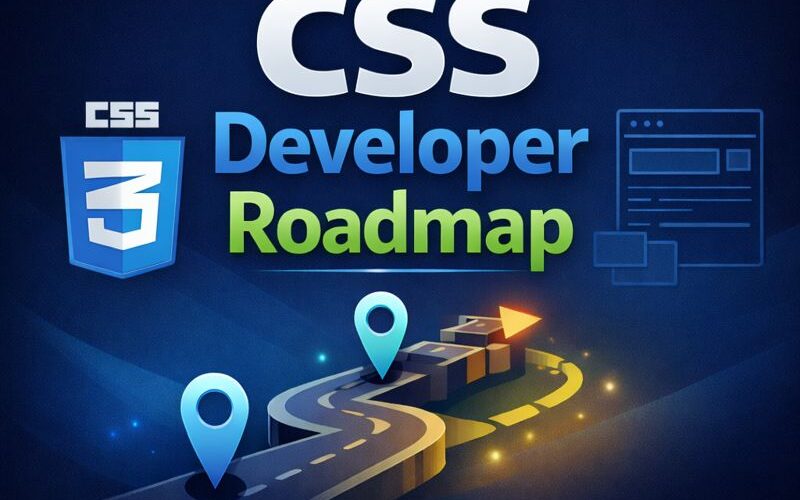
The CSS grids Layout is a super powerful new layout system for the web. In comparison to Flexbox, Grids is two dimensional: you can line up content in both rows and columns at once.
1. The Core Concept
Using CSS Grids is pretty straightforward; you mark up a container element as a grid and then its direct decendants become grid items. Think of it as a piece of graph paper, and you determine if an element takes up specific spaces on it.
Basic Syntax
CSS
.container {
  display: grid;
  grid-template-columns: 200px 1fr 1fr; /* Three columns */
  grid-template-rows: 100px auto;       /* Two rows */
  gap: 10px;                            /* Space between cells */
}
2. Key Terminology
Understanding the “anatomy” of a grid is essential for mastering it:
- Grid Container: The element on which
display: gridis applied. - Grid Item: The direct children of the container.
- Grid Line: The dividing lines that make up the structure (vertical for columns, horizontal for rows).
- Grid Track: The space between two adjacent grid lines (essentially a row or a column).
- Grid Cell: A single “square” in the grid (the intersection of a row and a column).
- Grid Area: A rectangular space surrounded by four grid lines; it can contain any number of cells.
3. Important Units & Functions
CSS Grid introduced new ways to calculate space:
- The
frUnit: Represents a fraction of the available space in the grid container.1fr 2frmeans the second column will be twice as wide as the first. repeat(): Saves time when defining many columns.repeat(3, 1fr)is the same as1fr 1fr 1fr.minmax(): Defines a size range.minmax(100px, auto)means a row will be at least 100px tall but can grow if the content is larger.
4. Positioning Items
You can tell a specific item exactly where to start and end using line numbers.
CSS
.item-1 {
  grid-column-start: 1;
  grid-column-end: 3; /* Spans across two columns */
  grid-row: 2 / 4;    /* Shorthand: starts at row line 2, ends at 4 */
}
5. Grid Template Areas
This is often considered the most “visual” way to build a layout. You can name sections of your grid and “draw” the layout in your CSS.
CSS
.container {
  display: grid;
  grid-template-areas:
    "header header header"
    "sidebar main main"
    "footer footer footer";
}

.header { grid-area: header; }
.sidebar { grid-area: sidebar; }
.main { grid-area: main; }
.footer { grid-area: footer; }
Why use Grid over Flexbox?
- Flexbox is best for small-scale layouts or components where you want items to flow naturally (like a navigation bar).
- Grid is best for large-scale layouts where you need precise control over the overall page structure in two dimensions.
Check out our resources!
- Bootstrap Templates: Explore our Bootstrap Projects section.
- Free E-Books: Download your Free E-Books here.