Black Duck Signal™: The Agentic AI Revolution in Code Security
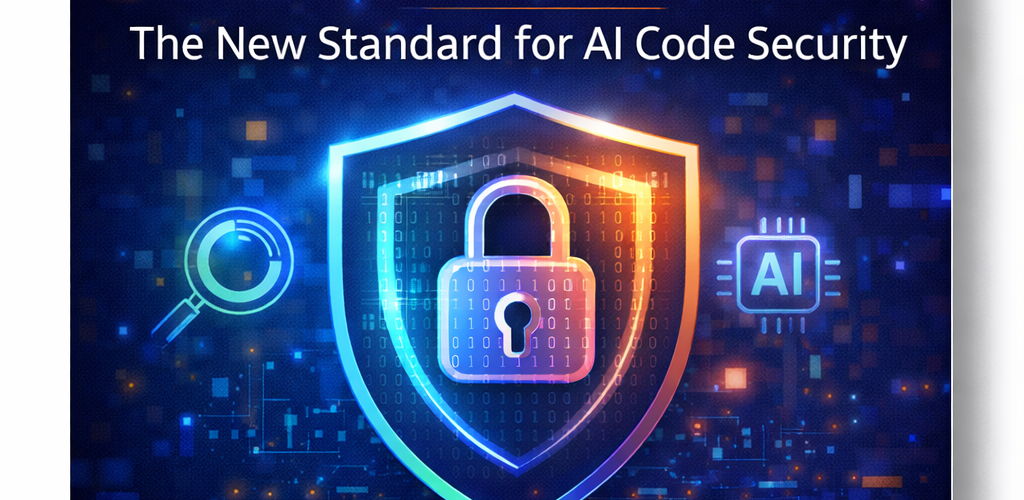
The official release date of Black Duck Signal was announced for March 23, 2026 and it really was a game changer in protecting your software: AI is now writing all code at “machine speed,” making it impossible for humans to review for security bugs.
This is a simple to understand list of exactly why this tool is so important.
The Big Problem: “AI writes faster than humans can think”
In 2026, almost 90% of developers use AI assistants (like Cursor, GitHub Copilot, or Claude) to write code. This is great for speed, but it creates two major headaches:
- Volume: AI can generate hundreds of lines of code in seconds. Human security teams are overwhelmed.
- Hallucinations: Occasionally, AI is generating a piece of code which appears impeccable, but includes some “backdoor” which it has artifically invented in the code.
What is Black Duck Signal?
The Black Duck Signal is an Agentic AI security tool. Unlike old-school scanners that simply search for well-known “bad patterns,” Signal deploys its own AI “agents” to mimic human security analyst reasoning:
1. It Doesn’t Just “Find” Problems—It “Thinks” About Them
Old school scanners, call wolf, underreport dangerous things while overreporting false positives. They‘ve trained the neural net on 20 years of security data to tell Signal: Is it real code, reachable by a hacker? Is it really exploitable? If No, stay silent. If yes,.
2. It Fixes Code Automatically
And when it discovers a flaw in the AI-generated code, it doesn‘t merely send you a fuzzy e-mail. It collaborates with your AI coding helper to generate a patch and proposes it to the developer instantaneously. Most times, it patches the problem with “zero developer action needed”.
3. It’s “Language Agnostic”
Old tools needed specific “packs” to understand Java, Python, or C++. Because Signal uses Large Language Models (LLMs), it can understand almost any programming language—even old ones like COBOL or brand-new ones that just came out.
How It Fits into the “CI/CD Pipeline”
In modern coding, we use a CI/CD Pipeline (Continuous Integration/Continuous Deployment). Think of this as an assembly line where code is built, tested, and shipped.
- The Old Way: You finish the code, push it to the assembly line, and a security scan happens at the very end. If a bug is found, the whole line stops.
- The Signal Way: Signal sits inside the developer’s editor and the automated pipeline. It scans code continuously as it’s being typed. It catches the mistake before the code even leaves the developer’s computer.
Why “March 23rd” Matters
Black Duck proved the power of this tool right at launch. Their research team used Signal to find a high-impact “Zero-Day” vulnerability (a bug no one knew existed) in Gitea, a popular open-source platform. This proved that the AI isn’t just checking a list of old bugs—it’s actually finding brand-new ones.
The Bottom Line
The Black Duck Signal is essentially a “Security Guard for your AI Coder.” It allows companies to use the full speed of AI development without worrying that the AI is accidentally leaving the front door unlocked.
Check out our resources!
- Bootstrap Templates: Explore our Bootstrap Projects section.
- Free E-Books: Download your Free E-Books here.